EN
EN
 German
 Dutch
Dutch

eCommerce trends in the B2B food sector: From sustainability to AI-driven innovations
29-08-2024



The shift to online purchases in the B2B sector has increased significantly in recent years, primarily due to the growing demand for efficiency and cost savings. Wholesalers and retailers are responding by increasingly turning to eCommerce platforms. In addition to higher customer satisfaction, this enhances their reach and operational efficiency. These developments demonstrate that eCommerce is becoming increasingly important, even in the food sector. Don't fall behind and discover the four eCommerce trends for the B2B food sector.
More and more producers, brands, and wholesalers are opting for direct to consumer (D2C). This is a business model where food producers sell their products directly to consumers, without retailers as intermediaries. These producers use their own eCommerce platform, website, or social media to connect directly with the end customer. The advantage for the producer is that they can achieve higher profit margins and engage directly with the customer. A downside is that you start competing with retailers.
A brand manufacturer successfully applying D2C is Charlie Temple. They bypass opticians, and customers can buy glasses directly from them online. To avoid missing out on the ‘physical experience’ in-store, Charlie Temple offers virtual fitting rooms on their webshop.
Nespresso and Beerwulf are also examples of D2C. In addition to being available in various supermarkets, Nespresso also sells coffee capsules directly to consumers through their webshop. Beerwulf, a subsidiary of Heineken, sells beer packs, kegs, taps, and other beer-related products via their webshop. Some of these products are available in supermarkets, while others are exclusively sold on the webshop. Customers can make purchases directly from Beerwulf.
B2B customers in the food sector increasingly expect tailored solutions that meet their specific needs. This includes offering personalized order lists that match a specific menu and flexible delivery schedules that align with the customer’s operational planning. The ability to offer such customized services is becoming a differentiating factor in the B2B market.
One of our clients that successfully personalizes is Van Gelder groente & fruit. Van Gelder works with advanced order lists. Customers can create order lists that match their menu, per user, or based on the most purchased products. The homepage is fully personalized for each customer after logging in. This way, a customer sees their order lists, personal offers, and relevant products. Finally, Van Gelder takes into account the customer's fixed delivery days. The customer is shown delivery dates that align with both product availability and their delivery days.
The demand for sustainable and locally produced ingredients is rising in the B2B food market. Wholesalers, supermarkets, and brand manufacturers want to meet the expectations of consumers who place greater value on sustainability.
This trend can be addressed by offering sustainable and local products and providing transparent product information on the webshop. Consider including the origin of products, the production process, and certifications. Companies can also encourage sustainable choices by indicating which products are in season and by holding promotions exclusively for sustainable products.
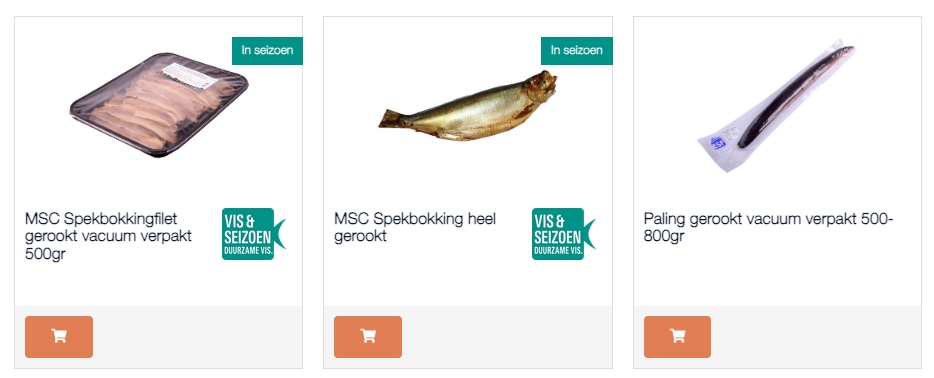
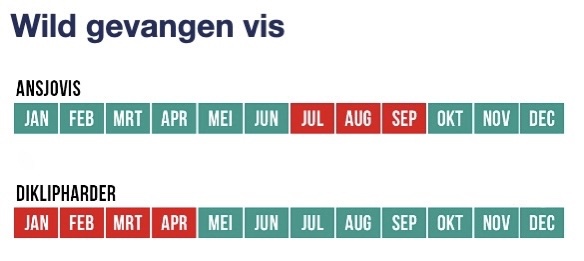
Our client Jan van As aims to encourage customers to make sustainable choices. That’s why they have created the Vis&Seizoen range. The fish species that are in season are labeled ‘Vis&Seizoen’, so customers know they are making a sustainable choice when selecting that product. Additionally, Jan van As has created an annual calendar showing which fish are best bought in which months. Finally, they offer advice on their website about a sustainable menu and sustainable fishing techniques.
AI is increasingly being used in more areas to improve processes and enhance customer satisfaction. Below, we highlight the main areas where AI can be applied.
Now that you are aware of the key trends in the food market, you can ensure that you don't fall behind your competitors and keep your customers satisfied. Want to know more about becoming a leader in the food sector? Read our whitepaper!

Learn more about digitalization in the food sector.