More and more companies are selling their products online. This way, you can reach a large audience and stay ahead of competitors. To start selling online, you can have your own webshop built, or you can use marketplaces. But what exactly is a marketplace, what are the pros and cons, and what types are there? Learn more about these platforms and discover if it's something for you.
A marketplace is an online platform that acts as an intermediary between seller and customer. Sellers can offer products or services here, and customers can purchase them. This type of platform provides a central place where supply and demand meet. An example of a marketplace is bol.com. Customers can choose from a wide range of products from various sellers.
A B2C marketplace focuses on individual consumers. A B2B marketplace is intended for businesses. For example, producers sell to distributors through the B2B marketplace. B2C marketplaces cater to consumer needs, offering products in small quantities, a wide selection, and various discounts and advertisements. On the other hand, a B2B company's assortment is often smaller, products can be purchased in larger quantities more easily, and orders can be standardized.
Selling your products on a marketplace increases your reach, as these platforms attract many customers due to their wide assortment. Additionally, the costs of participating in a marketplace are much lower than setting up your own webshop. Moreover, you can leverage the marketplace's reputation. If customers trust the platform, they quickly trust the entire assortment. Sellers can also use the marketplace's technologies and resources. For example, shipping costs and delivery times are often more favorable, you use the platform's payment technology, and customers are more likely to contact the marketplace's customer service than yours. Finally, you can benefit from promotional activities. As the marketplace becomes more popular, the sales of products on the platform increase.
Marketplaces often have a large assortment, which means high competition for sellers. This allows customers to demand high quality and low prices, reducing sellers' profit margins. Additionally, marketplaces charge fees, such as monthly fees and per-sale fees, further reducing margins. Sellers also typically have limited insight into customer and sales data, making it challenging to develop targeted marketing strategies. Improving your brand image is difficult as there is no room for branding; your product appears on the site in the marketplace's style. Imitation can also be an issue, where other sellers or the marketplace itself may start to copy your products, reducing your revenue. Lastly, sellers are dependent on the marketplace, which sets rules and guidelines that can change frequently and be difficult to meet, such as strict return policies. If the platform has technical issues, it directly impacts your revenue.
A marketplace can be open or closed. In an open marketplace, any seller can join as long as they meet the rules and requirements. In a closed marketplace, only a select group of sellers can join. An example of an open marketplace is Amazon. By choosing an open marketplace, Amazon can offer a large and diverse assortment at a low price due to high competition among sellers. An example of a closed marketplace is Zalando. The advantage of a closed marketplace is that sellers are carefully screened, ensuring high-quality products that match the marketplace's image. This exclusivity allows the marketplace to offer higher-margin products due to limited competition.
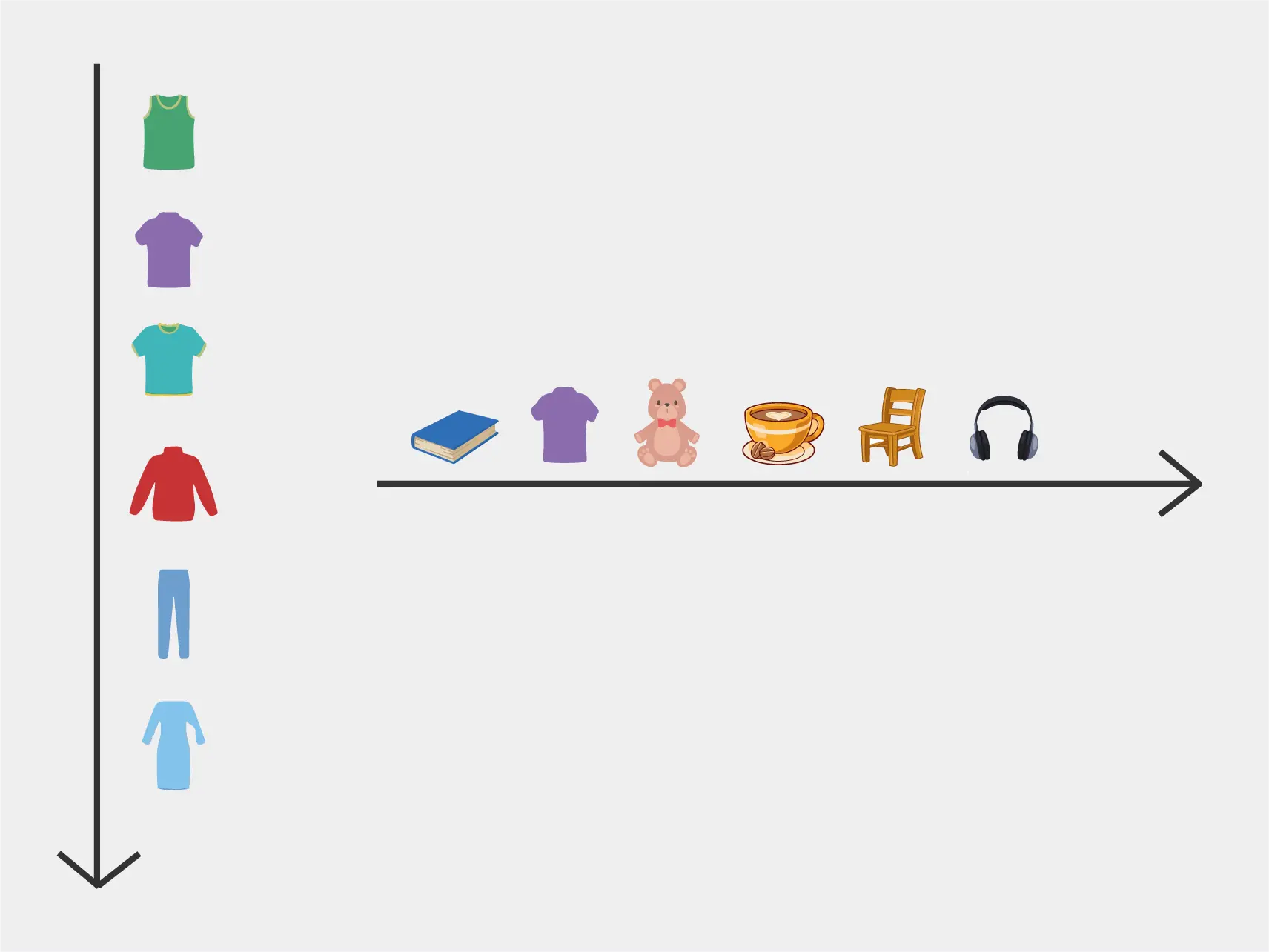
Depending on the type of products a marketplace sells, it can be horizontal or vertical. A vertical marketplace sells products within a specific category or sector. An example is Vinted, which sells only second-hand clothing. A horizontal marketplace sells products from various categories, offering a wide assortment. Examples include bol.com and Amazon.
In addition to marketplaces, there are more trends in the eCommerce world. Discover the trends for B2B eCommerce.

 EN
EN
 German
 Dutch
Dutch