

In the constantly changing digital world, where technology forms the backbone of modern business operations, it is essential for companies to remain agile and efficient. Software as a Service e-commerce platforms offer an innovative solution by providing software applications via the cloud. This article explains what Software as a Service is, how it differs from a traditional platform, its advantages and disadvantages, and finally, when Software as a Service is a suitable option for your business.
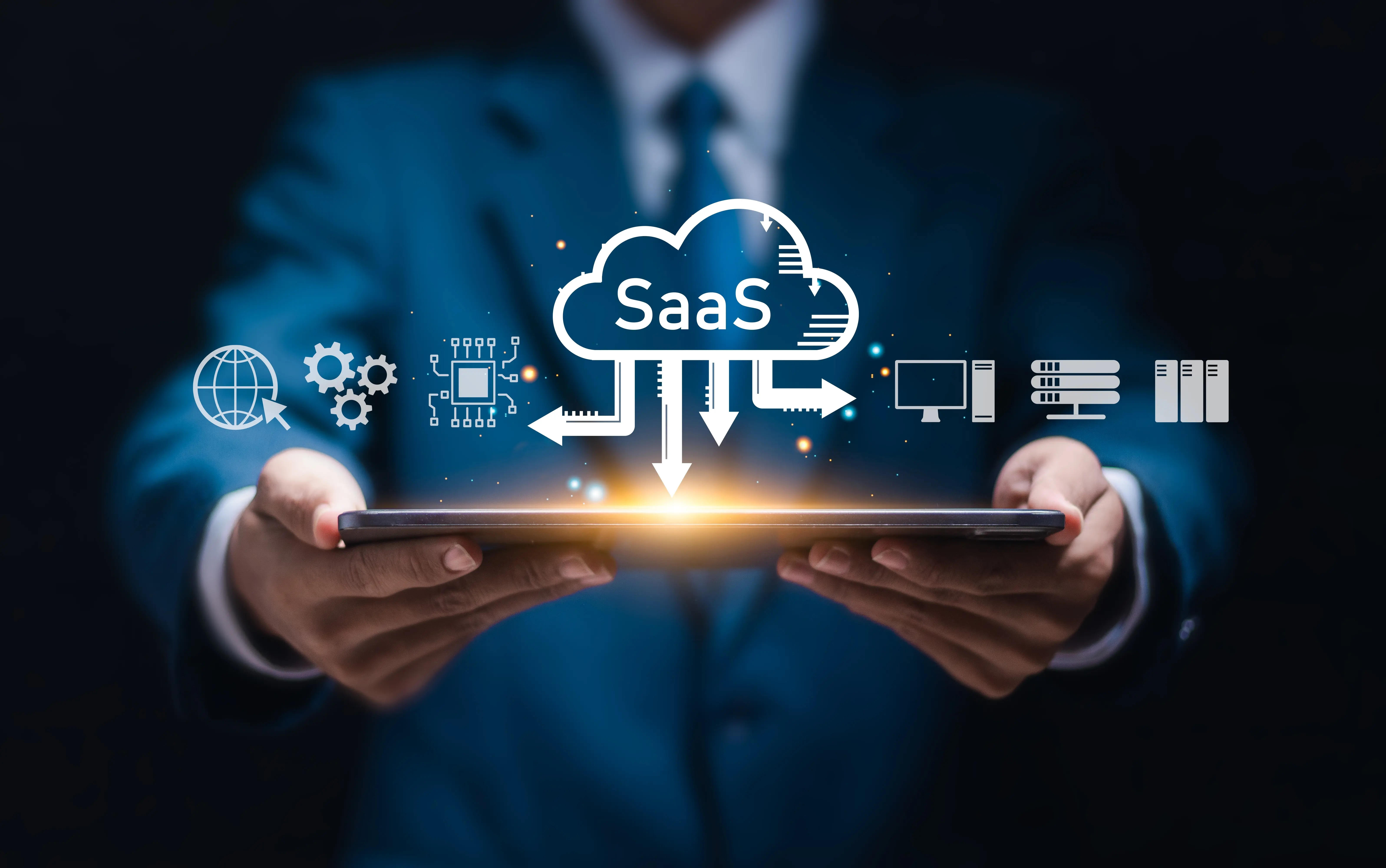
Software as a Service, SaaS, is a cloud-based system that delivers software applications over the internet. No local installation is needed. With an internet connection, you can access the platform. SaaS e-commerce platforms are usually offered on a subscription basis, where regular updates, maintenance, and security are managed by the provider.
A traditional e-commerce platform requires you to install and maintain the software locally on your own servers, which means you are responsible for hardware, software updates, security, and technical support. This often requires a significant initial investment in IT infrastructure and specialized knowledge. In contrast, with a SaaS platform, the provider is responsible for hosting, maintenance, updates, and security. Due to the subscription model, there are low start-up costs. Additionally, less technical knowledge is needed because the provider handles the technical aspects of the software.
One advantage of SaaS is that businesses do not need to worry about installing, maintaining, and updating the software, as it is hosted in the cloud. Additionally, a SaaS platform offers a high degree of scalability. Companies can easily adjust their subscription level as their needs change. SaaS is also easy to integrate with other business applications, such as ERP and CRM. Furthermore, a SaaS platform can save costs. There is no need to invest in special hardware and infrastructure, and there are no unexpected costs such as maintenance and updates. More benefits are described in this blog.


A SaaS platform is constantly updated by the provider. While this ensures that your platform remains current and in development, it also means you are dependent on the updates your provider can offer. There may be limitations on what is possible. Additionally, you need an internet connection to access the platform. Finally, SaaS platforms are susceptible to cyberattacks and data breaches, as a lot of data is stored online. To enhance security, SaaS platforms are often equipped with built-in security measures to protect user data.
Learn more about the possibilities of our SaaS platform.
 EN
EN
 German
 Dutch
Dutch
