

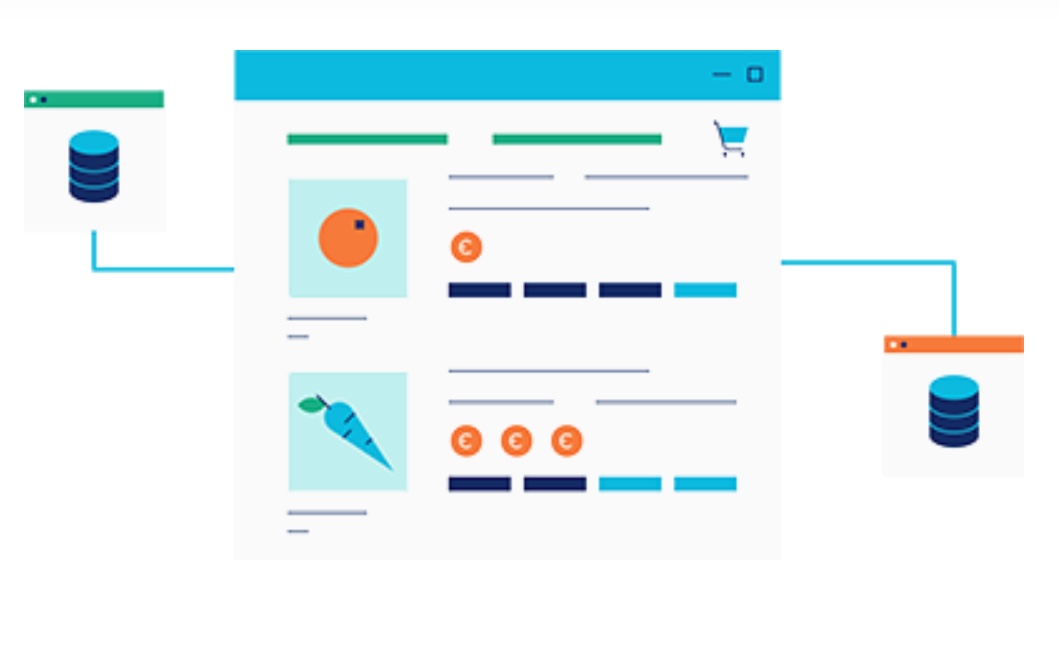
In the rapidly changing world of eCommerce, efficient procurement processes are crucial for success. Companies are looking for solutions to streamline these processes, saving both time and money. One of these solutions is the Open Catalog Interface (OCI), a tool that bridges the gap between eCommerce systems and buyers' procurement systems.
While OCI offers benefits, there are also drawbacks. The initial costs and complexity of implementation can be challenging for some companies. Setting up an OCI-compatible system requires financial and technological investment. Additionally, the standardization of OCI can limit flexibility in product offerings, making uniqueness more challenging. Furthermore, maintaining the interface brings extra operational burdens, requiring ongoing monitoring and updates.
Implementing OCI in an existing eCommerce system requires careful planning and execution. It is important to choose a platform compatible with OCI and optimize the product catalog to provide maximum compatibility and efficiency. Companies should also consider future needs and potential scaling when choosing the right platform.
The future of OCI looks promising, with developments that can further contribute to the growth of eCommerce. Given the trends in automation and personalization, OCI will play an increasingly important role in streamlining eCommerce operations and enhancing the customer experience.
In short, OCI is an interface that facilitates integration between eCommerce platforms and customers' procurement systems. There are various advantages, such as cost and time savings. There are also disadvantages, such as the complexity of implementation. Implementation requires planning and choosing the right platform. Finally, OCI will play an increasingly important role in eCommerce in the future.
In addition to OCI, more integrations are possible with the CloudSuite platform. Discover all integrations.
 EN
EN
 German
 Dutch
Dutch
